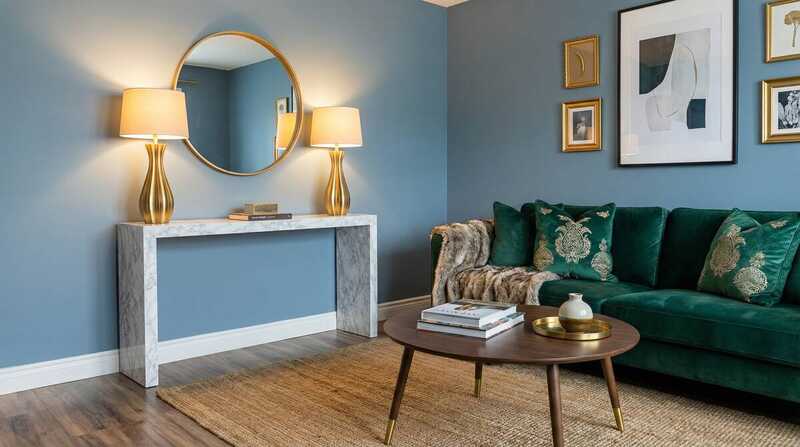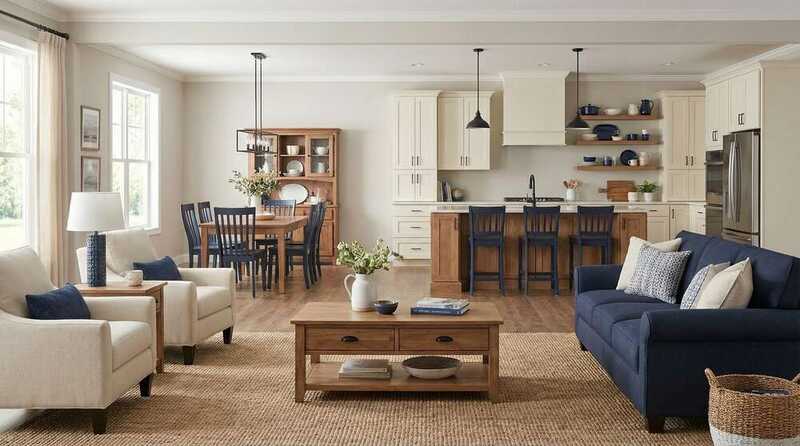
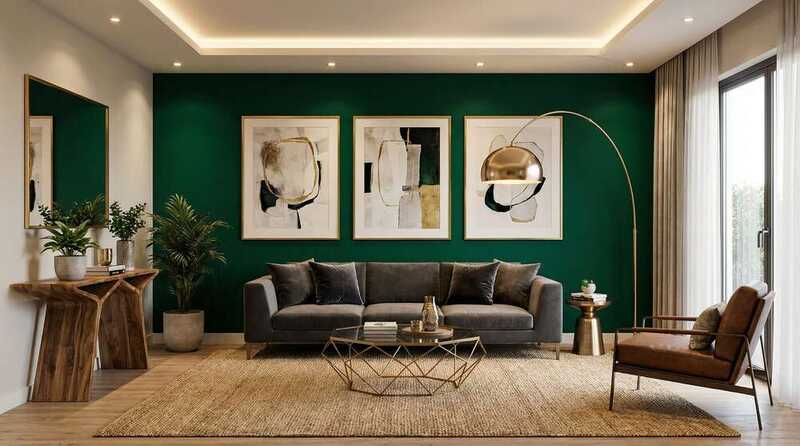
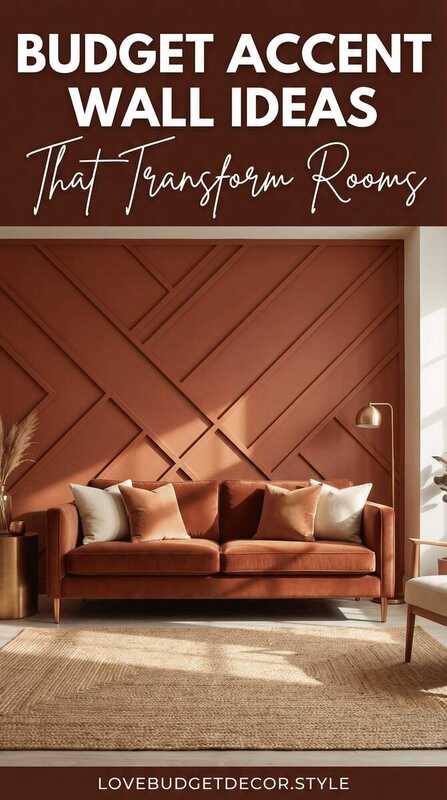
An accent wall is one of the most cost-effective ways to dramatically transform a room. Whether you choose paint, wallpaper, or alternative materials, a well-executed accent wall creates visual interest, defines spaces, and adds personality without requiring a complete room overhaul or significant investment.
Share This Article
Why Accent Walls Work on Any Budget
Accent walls succeed because they concentrate visual impact in one area rather than spreading resources across an entire room. This focused approach allows you to use higher-quality materials or more labor-intensive techniques than you could afford for four walls. The result creates a designer look that appears more expensive than its actual cost while providing flexibility to change your aesthetic over time without major commitment.
The psychological impact of an accent wall extends beyond mere decoration. A well-placed accent wall draws the eye, creates depth in flat spaces, and can make rooms appear larger or more intimate depending on color and placement choices. This architectural effect typically requires structural changes in traditionally designed spaces, but accent walls achieve similar results through strategic use of color and pattern alone.
Paint Techniques That Look Expensive
Paint remains the most budget-friendly accent wall option, with a gallon of quality paint costing between fifteen and forty dollars. However, the application technique determines whether your painted accent wall reads as amateur or professional. Color blocking creates clean, geometric patterns using painter's tape to section off areas in complementary or contrasting colors. This technique works particularly well in modern spaces and requires only steady hands and patience rather than artistic skill.
Ombre effects transition one color gradually into another, creating a sophisticated gradient that mimics expensive wallpaper or custom murals. Achieving smooth color transitions requires blending wet paint where colors meet, working in small sections to maintain workability. While more time-intensive than solid color application, ombre walls create visual interest that elevates the entire room without additional cost beyond the paint itself.
Geometric patterns using painter's tape allow you to create custom designs ranging from simple stripes to complex tessellations. The key to professional results lies in careful planning, precise measurements, and high-quality painter's tape that creates clean lines without bleeding. Metallic or contrasting sheen paints within the same color family add subtle dimension that catches light throughout the day, creating dynamic visual interest from static materials.
Peel-and-Stick Wallpaper Solutions
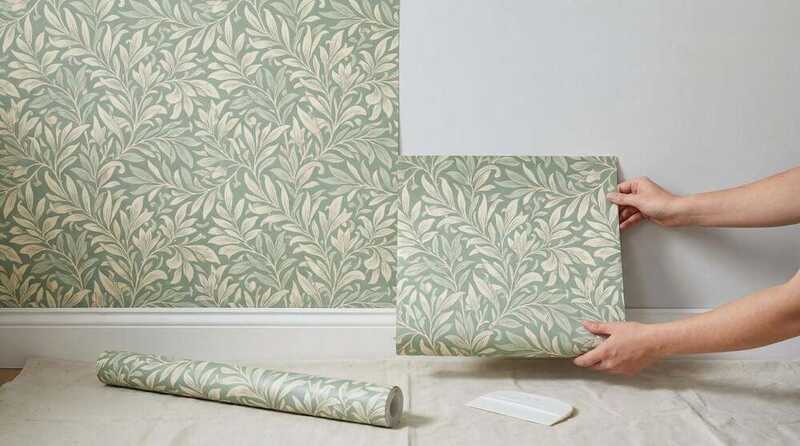
Modern removable wallpaper has revolutionized accent walls for renters and commitment-phobic decorators alike. Unlike traditional wallpaper requiring paste and professional installation, peel-and-stick options apply directly to smooth walls and remove cleanly without damage. Quality temporary wallpaper now rivals permanent options in pattern selection and durability, with prices ranging from thirty to sixty dollars per roll covering approximately thirty square feet.
Choosing wallpaper for accent walls requires considering both pattern scale and room size. Large-scale patterns work best in spacious rooms where you can appreciate the full repeat, while smaller patterns suit compact spaces without overwhelming. Textured wallpapers that mimic materials like grasscloth, linen, or wood grain add tactile interest and hide wall imperfections better than smooth patterns, making them ideal for older homes with less-than-perfect surfaces.
Installation success depends on proper wall preparation and careful application. Clean walls thoroughly, allow them to dry completely, and start from a plumb line rather than assuming corners are straight. Work slowly, smoothing bubbles as you go and trimming excess with a sharp blade for clean edges at corners and ceiling lines. The removable nature of these wallpapers means mistakes are fixable, but careful initial application prevents waste and frustration.
Wood Accent Walls on a Budget
Wood accent walls create warmth and texture that paint and wallpaper cannot match, though they typically require more investment in materials and labor. Shiplap remains popular for its clean, linear look and relatively straightforward installation. Pre-primed MDF shiplap boards cost significantly less than real wood while providing the same visual effect, with a typical accent wall requiring materials between one hundred fifty and three hundred dollars depending on room size.
Reclaimed wood offers character and sustainability, often available free or cheaply from demolition sites, pallets, or online marketplaces. The weathered, varied appearance of reclaimed wood creates instant visual interest and forgives imperfect installation since the rustic aesthetic embraces irregularity. Proper cleaning, potential treatment for pests, and sealing are essential steps when working with reclaimed materials, but the unique result justifies the additional preparation.
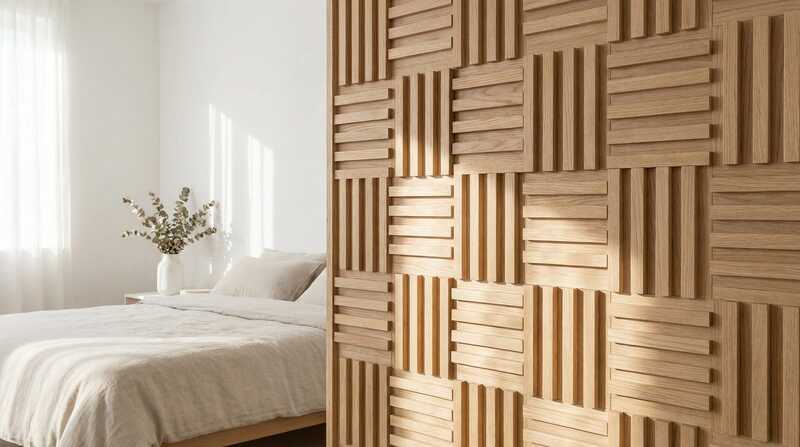
Wood slat walls create a modern, three-dimensional effect using narrow boards mounted with spacing between them. This technique uses less material than solid coverage, reducing costs while adding architectural depth. Painting slats in contrasting colors or leaving natural wood tones creates different aesthetics from the same basic technique, offering versatility that justifies the more involved installation process.
Alternative Materials and Creative Approaches
Fabric accent walls provide temporary, renter-friendly options with endless pattern possibilities. Stretching fabric over frames creates removable panels that mount like artwork, or liquid starch allows you to adhere fabric directly to walls in a completely removable application. This technique works particularly well for bold patterns or expensive fabrics you love but cannot afford to upholster furniture with, allowing you to enjoy them at a fraction of the cost.
Gallery walls function as accent features when thoughtfully curated and arranged. Rather than a single material covering the wall, a collection of frames, mirrors, and artwork creates visual weight and interest that draws the eye just as effectively as paint or wallpaper. The advantage lies in flexibility—you can add, remove, or rearrange elements over time, and the collection can move with you to future homes.
Tile accent walls extend beyond bathrooms and kitchens when you think creatively about materials and application. Peel-and-stick tile options now include realistic stone, metal, and ceramic looks suitable for living spaces. These work particularly well behind beds as headboard alternatives or in dining areas as wainscoting-height accents, adding texture and easy-clean surfaces in high-use areas.
Choosing the Right Wall for Maximum Impact
Not all walls make equally effective accent features. The wall you see first when entering a room typically makes the strongest candidate, immediately establishing the room's aesthetic and drawing visitors' attention to your intentional design choice. In bedrooms, the wall behind the bed naturally serves as a focal point, while living rooms often benefit from accenting the wall behind the sofa or the one housing the television or fireplace.
Avoid accenting walls with multiple doors, windows, or other interruptions that fragment the visual impact. These architectural features create starting and stopping points that diminish the accent wall's effect and complicate installation. Similarly, avoid accenting all walls in a room—the term "accent" implies contrast, and treating every surface equally eliminates the focal point that makes the technique effective.
Consider how natural and artificial light interact with your chosen wall throughout the day. South-facing walls receive the most light and can handle darker colors or busier patterns without feeling heavy. North-facing walls benefit from lighter, warmer treatments that compensate for cooler natural light. Walls opposite windows create opportunities for dramatic dark colors that might overwhelm in other positions, as natural light prevents them from feeling cave-like.
Budget Breakdown by Technique
Paint accent walls represent the most economical option, with materials typically costing between twenty and sixty dollars for a standard wall. This includes paint, primer if needed, painter's tape, and basic supplies. Labor costs nothing if you DIY, though professional painting runs fifty to one hundred fifty dollars depending on complexity and location. Simple solid colors take a few hours, while intricate geometric patterns or ombre effects may require a full day or weekend.
Peel-and-stick wallpaper costs more upfront but requires no special tools or skills. Budget one hundred to two hundred fifty dollars for materials to cover a typical accent wall, with installation taking two to four hours for beginners. The removable nature makes this investment particularly appealing for renters or those who enjoy changing their aesthetic frequently, as the wallpaper can potentially move to your next home or be replaced without professional help.
Wood accent walls vary dramatically in cost depending on material choices. MDF shiplap runs one hundred fifty to three hundred dollars in materials, while reclaimed wood might cost nothing but your time to source and prepare it. Installation requires more tools and skill than paint or wallpaper, with professional installation adding three hundred to eight hundred dollars. However, the permanence and durability of wood walls mean this investment lasts significantly longer than other options.
Common Mistakes to Avoid
Choosing colors or patterns without testing them in your actual space leads to disappointment and wasted resources. Paint colors look dramatically different under your specific lighting conditions than they do on tiny store chips or computer screens. Always test large samples on your wall and observe them at different times of day before committing. Similarly, order wallpaper samples to see actual colors, scale, and texture before purchasing full rolls.
Skipping proper wall preparation undermines even the most beautiful materials. Clean walls thoroughly, repair holes and cracks, and ensure surfaces are smooth and dry before beginning any accent wall project. Paint and wallpaper both telegraph imperfections, and wood installation requires level, secure mounting surfaces. The extra hours spent on preparation prevent frustration and ensure professional-looking results that justify your investment.
Ignoring the room's existing elements when selecting accent wall treatments creates discord rather than cohesion. Your accent wall should complement your furniture, flooring, and overall aesthetic rather than fighting against them. Consider undertones in your existing pieces and choose accent colors or patterns that harmonize with rather than clash against these established elements.
Product Recommendations
Transform your space with these budget-friendly accent wall essentials. Each product has been selected for quality, ease of use, and value—helping you achieve professional results without professional prices.
Behr Premium Plus Ultra Interior Paint
One-coat coverage, low VOC, excellent durability
$30-40 per gallon
For paint projects, Behr Premium Plus Ultra offers excellent coverage and durability at a mid-range price point, typically requiring only one coat over properly primed walls. The extensive color selection makes it perfect for any accent wall vision.
FrogTape Multi-Surface Painter's Tape
PaintBlock Technology for super sharp lines
$8-12
FrogTape's PaintBlock Technology creates the cleanest lines when creating geometric patterns or color blocking. Essential for professional-looking results on DIY accent walls.
Peel and Stick Wallpaper
Removable, repositionable, renter-friendly wallpaper
$25-50 per roll
Modern peel-and-stick wallpaper offers realistic textures and patterns that rival traditional wallpaper, with strong adhesive that stays put but removes cleanly. Perfect for renters and commitment-phobic decorators.
Peel and Stick Shiplap Wall Planks
Easy install wood-look panels, no nails needed
$30-60 per pack
For the wood accent wall look without the tools or commitment, peel-and-stick shiplap planks offer realistic wood texture with easy installation. No cutting, nailing, or professional help required.
Liquid Nails Heavy Duty Construction Adhesive
Strong bond for wood, drywall, and more
$5-8
For traditional wood accent walls, Liquid Nails construction adhesive combined with finishing nails provides secure mounting that withstands time and temperature changes.
Laser Level for Wall Projects
Self-leveling laser ensures perfectly straight lines
$25-40
A laser level takes the guesswork out of accent wall installation, ensuring your wallpaper, paint lines, or wood planks stay perfectly straight. Essential for professional-looking results.
Final Thought
Accent walls prove that dramatic room transformations do not require dramatic budgets. Whether you choose a fifty-dollar paint project or a more involved wood installation, the focused impact of a single accent wall delivers outsized visual results. The key lies in choosing the right technique for your space, skill level, and aesthetic goals, then executing it with care and attention to detail. Your accent wall becomes the room's focal point and conversation starter, demonstrating that thoughtful design matters more than unlimited resources.
Affiliate Disclosure: This post contains Amazon affiliate links. When you purchase through these links, we may earn a small commission at no additional cost to you.