7 Ways to Make a Room Look Expensive on a Budget
Creating a high-end, luxurious look doesn't require a designer budget. With strategic choices and attention to detail, you can achieve an expensive aesthetic while spending modestly.
Share This Article
The difference between a room that looks expensive and one that doesn't often comes down to details rather than price tags. Professional designers know that certain elements create an immediate impression of luxury, regardless of their actual cost. Understanding and implementing these principles allows you to achieve a sophisticated, high-end look without the corresponding price tag.
1. Invest in Quality Window Treatments
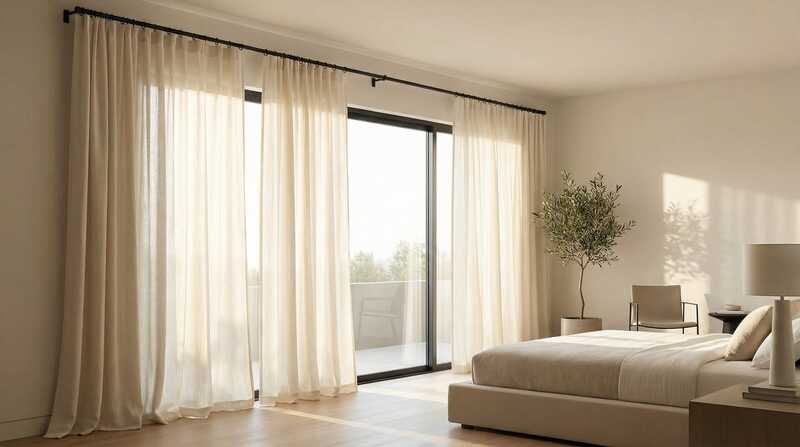
Nothing says "budget decorating" quite like cheap curtains or bare windows. Window treatments frame your view and significantly impact how finished a room feels. Floor-to-ceiling curtains in quality fabrics instantly elevate any space, making ceilings appear taller and windows more substantial. As Apartment Therapy's decorating experts note, proper curtain placement is one of the easiest ways to make a room look more expensive.
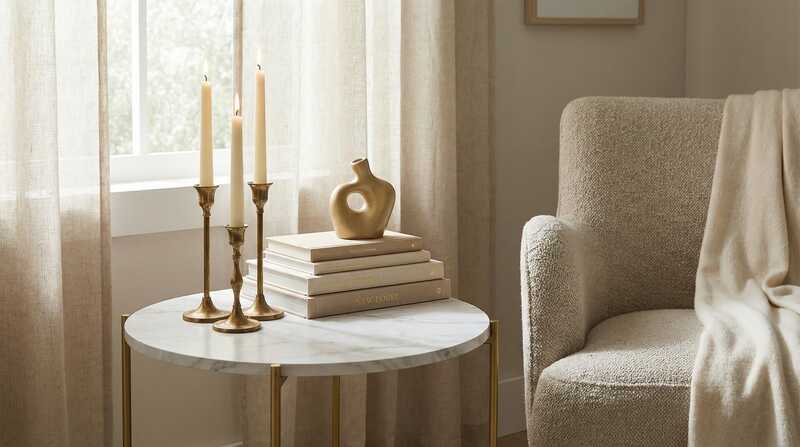
Choose curtains in neutral colors and classic styles that won't date quickly. Linen, cotton, or linen-blend fabrics offer a luxurious drape without the price of silk. Hang curtain rods as close to the ceiling as possible and extend them 4-6 inches beyond the window frame on each side. This creates the illusion of larger windows and higher ceilings—two hallmarks of expensive homes.
2. Layer Your Lighting
Expensive-looking rooms never rely on a single overhead light. Layered lighting—combining ambient, task, and accent lighting—creates depth, warmth, and sophistication. This approach mimics how high-end designers illuminate spaces and makes rooms feel more intentionally designed. HGTV's design experts recommend using at least three light sources in every room.
Add floor lamps in corners, table lamps on side tables, and consider LED strip lighting behind furniture or under cabinets for ambient glow. Install dimmer switches wherever possible to control mood and atmosphere. The ability to adjust lighting levels throughout the day is a luxury feature that costs relatively little to implement.
3. Choose a Cohesive Color Palette
Expensive-looking rooms feature carefully curated color schemes rather than random collections of colors. Limit yourself to 3-4 colors throughout a space: a dominant neutral, a secondary color, and one or two accent colors. This restraint creates visual cohesion that reads as sophisticated and intentional.
Neutral doesn't mean boring—consider warm grays, soft taupes, creamy whites, or rich charcoals as your base. Layer in texture through fabrics, materials, and finishes to add visual interest without introducing additional colors. A monochromatic or analogous color scheme always appears more expensive than a rainbow of competing hues.
4. Edit Ruthlessly
One of the most reliable indicators of an expensive room is what's not there. Luxury spaces feel curated and uncluttered, with every item earning its place. This doesn't mean your rooms should feel sparse or cold, but rather that each piece serves a purpose and contributes to the overall aesthetic.
Remove items that don't fit your color scheme, serve a function, or bring you joy. Clear countertops, tabletops, and shelves of unnecessary objects. Store everyday items in closed storage rather than leaving them visible. The visual calm created by edited spaces immediately elevates a room's appearance.
5. Add Architectural Details
Crown molding, baseboards, wainscoting, and other architectural details are hallmarks of expensive homes. While hiring a carpenter to install custom millwork can be costly, DIY-friendly alternatives create similar impact at a fraction of the price.
Peel-and-stick molding, paintable wallpaper that mimics wainscoting, and pre-primed MDF trim boards make adding architectural interest accessible to renters and homeowners alike. Even simply painting existing trim and molding in a crisp white creates definition and polish that elevates the entire room.
6. Upgrade Hardware and Fixtures
Builder-grade hardware and fixtures scream "budget" even in otherwise well-designed rooms. Replacing cabinet pulls, drawer handles, light switch plates, and door hardware with higher-quality alternatives creates an immediate upgrade that costs relatively little.
Choose hardware in a consistent finish throughout your home—brushed brass, matte black, or polished nickel all create a cohesive, high-end look. This small investment pays significant dividends in perceived quality and attention to detail.
7. Incorporate Fresh Flowers or Quality Faux Plants
Fresh flowers and lush plants are fixtures in expensive homes because they bring life, color, and organic texture to interiors. A simple arrangement of fresh flowers on a dining table or coffee table instantly elevates a space and suggests attention to detail and care. According to Better Homes & Gardens, incorporating greenery is one of the most cost-effective ways to enhance your home's aesthetic.
If maintaining fresh flowers feels impractical, invest in high-quality faux plants that look realistic. Modern artificial plants have come far from the obviously fake silk flowers of the past—quality faux stems and arrangements can fool even discerning eyes while requiring zero maintenance.
Final Thought:
Creating an expensive look on a budget is entirely achievable when you understand the principles that make spaces feel luxurious. Focus on quality over quantity, maintain visual cohesion, and pay attention to details that others might overlook. The result will be a space that looks thoughtfully designed and significantly more expensive than it actually was.
Love These Tips?
Get your free Budget Decorating Checklist plus weekly design tips and exclusive buying guides delivered to your inbox.
Affiliate Disclosure: This post contains Amazon affiliate links. When you purchase through these links, we may earn a small commission at no additional cost to you.