How to Style a Small Patio Like a Designer
Professional styling techniques transform compact outdoor spaces into functional, beautiful retreats that feel twice their actual size.
Small patios present unique design challenges that require strategic thinking rather than simply scaled-down versions of larger spaces. Designers approach compact outdoor areas with specific techniques that maximize functionality while creating visual spaciousness. These professional methods work regardless of budget, relying on smart placement, scale awareness, and intentional styling choices rather than expensive furnishings.
The most successful small patio designs balance three competing priorities: comfortable seating, visual appeal, and practical circulation space. Achieving this balance requires careful furniture selection, vertical design thinking, and strategic use of color and texture. Each element serves multiple purposes, eliminating purely decorative items that consume precious square footage without adding function.
The Foundation: Choosing the Right Furniture Scale
Furniture scale makes or breaks small patio design. Oversized pieces overwhelm compact spaces, while undersized furniture looks awkward and provides inadequate comfort. Designers measure carefully before purchasing, ensuring pieces fit proportionally while leaving adequate circulation space. A common rule suggests furniture should occupy no more than sixty percent of total floor space, leaving forty percent open for movement and visual breathing room.
Bistro sets work beautifully in truly tiny spaces, providing dining capability without bulk. Look for tables between twenty-four and thirty inches in diameter paired with armless chairs that tuck completely underneath when not in use. For slightly larger patios, apartment-scale sectionals offer surprising seating capacity in compact footprints. Choose pieces with exposed legs rather than skirted bases—visible floor space creates an illusion of more room.
Multi-functional furniture earns its place in small spaces. Storage benches provide seating plus hidden organization for cushions and accessories. Nesting side tables expand when needed for entertaining, then stack neatly when not in use. Folding chairs hang on walls between gatherings, appearing only when extra seating becomes necessary.
Vertical Design: Using Walls and Height
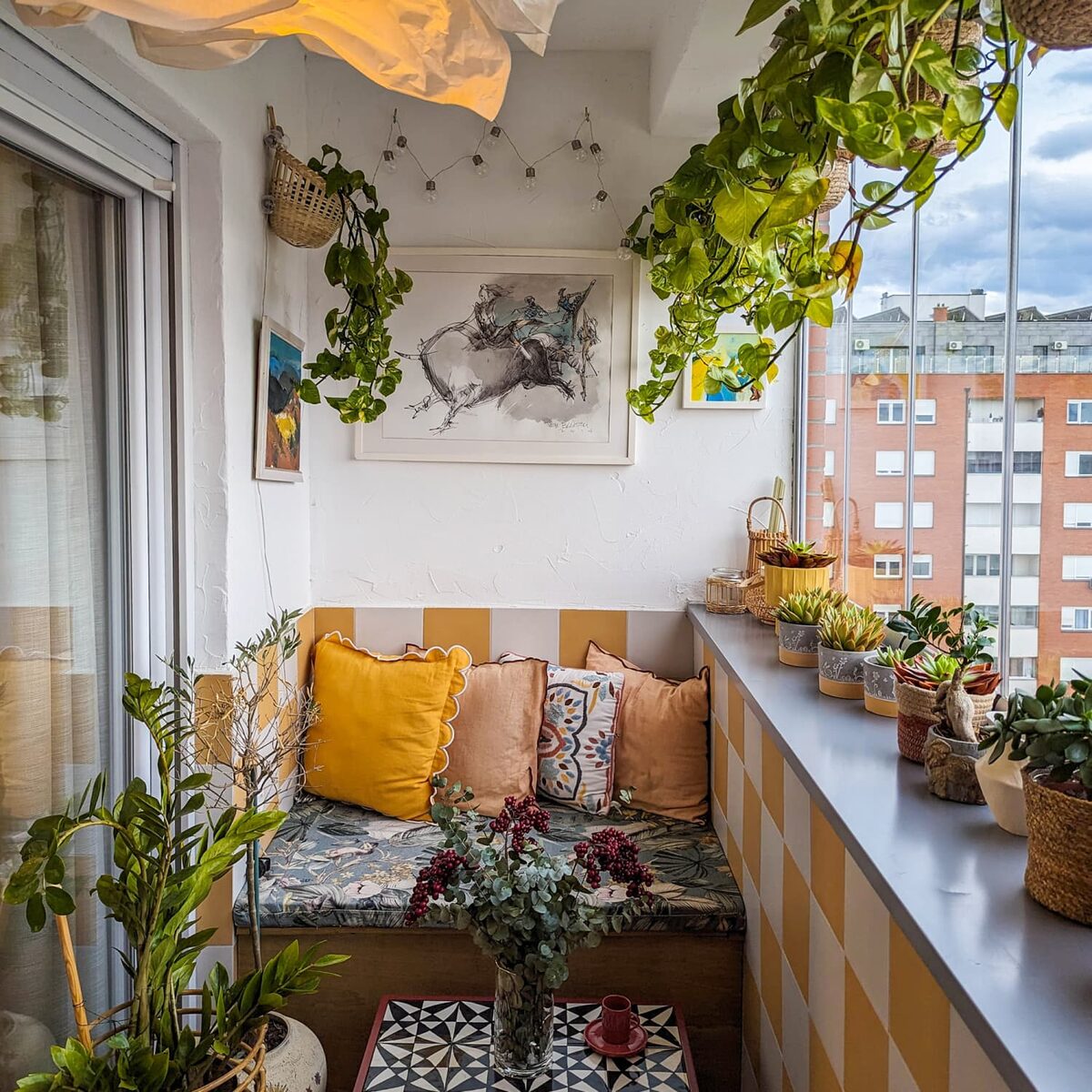
Vertical surfaces represent untapped potential in small patio design. Walls accommodate hanging planters, mounted shelving, and decorative elements without consuming floor space. This upward expansion creates visual interest while maintaining functional square footage below. Designers layer vertical elements at varying heights to draw eyes upward, making ceilings feel taller and spaces more expansive.
Wall-mounted planters bring greenery without sacrificing precious floor area. Arrange them in asymmetrical groupings rather than rigid grids for organic, collected appeal. Combine different planter sizes and shapes to add dimension. Trailing plants like ivy or string of pearls soften hard edges while emphasizing vertical lines.
Vertical gardens and living walls make dramatic statements in compact spaces. Modular pocket systems allow customization to fit any wall size, creating lush backdrops that improve air quality while adding privacy. For renters, freestanding trellis panels provide similar benefits without permanent installation. Train climbing vines up these structures for natural screening that evolves with seasons.
The Power of Mirrors in Outdoor Spaces
Mirrors double perceived space through reflection, a designer trick that works as effectively outdoors as inside. Weatherproof outdoor mirrors reflect gardens, sky, and surrounding architecture, creating depth where walls would otherwise close in spaces. Strategic placement amplifies natural light while adding unexpected visual interest.
Position mirrors to reflect the most attractive views—lush plantings, architectural details, or open sky rather than neighboring walls or utility areas. Lean large mirrors against walls for casual, collected looks, or mount them securely for permanent installations. Vintage window frames fitted with mirror glass add character while serving functional purposes.
Multiple smaller mirrors create gallery wall effects that feel intentionally curated. Mix round, rectangular, and arched shapes in complementary finishes. This approach works particularly well on long, narrow patios where a single large mirror might emphasize awkward proportions. Ensure all outdoor mirrors feature sealed edges and weatherproof backing to prevent deterioration.
Lighting Layers for Ambiance
Lighting transforms small patios from daytime-only spaces into evening retreats. Designers layer multiple light sources at different heights to create depth and ambiance without harsh overhead glare. This layered approach mimics interior lighting design, establishing zones and highlighting architectural features while maintaining intimate scale.
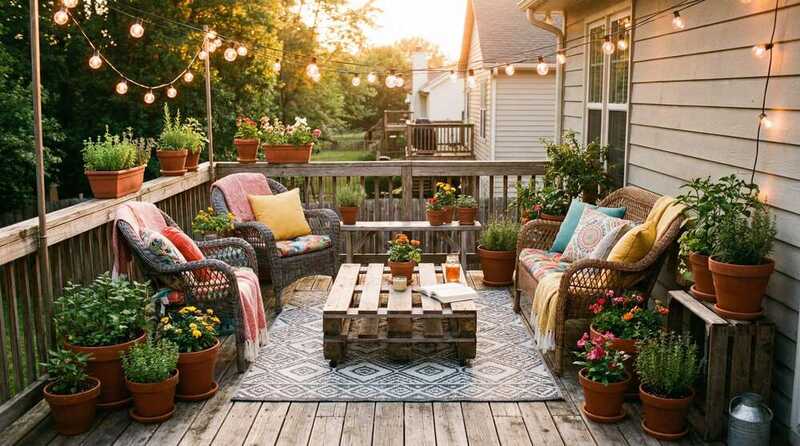
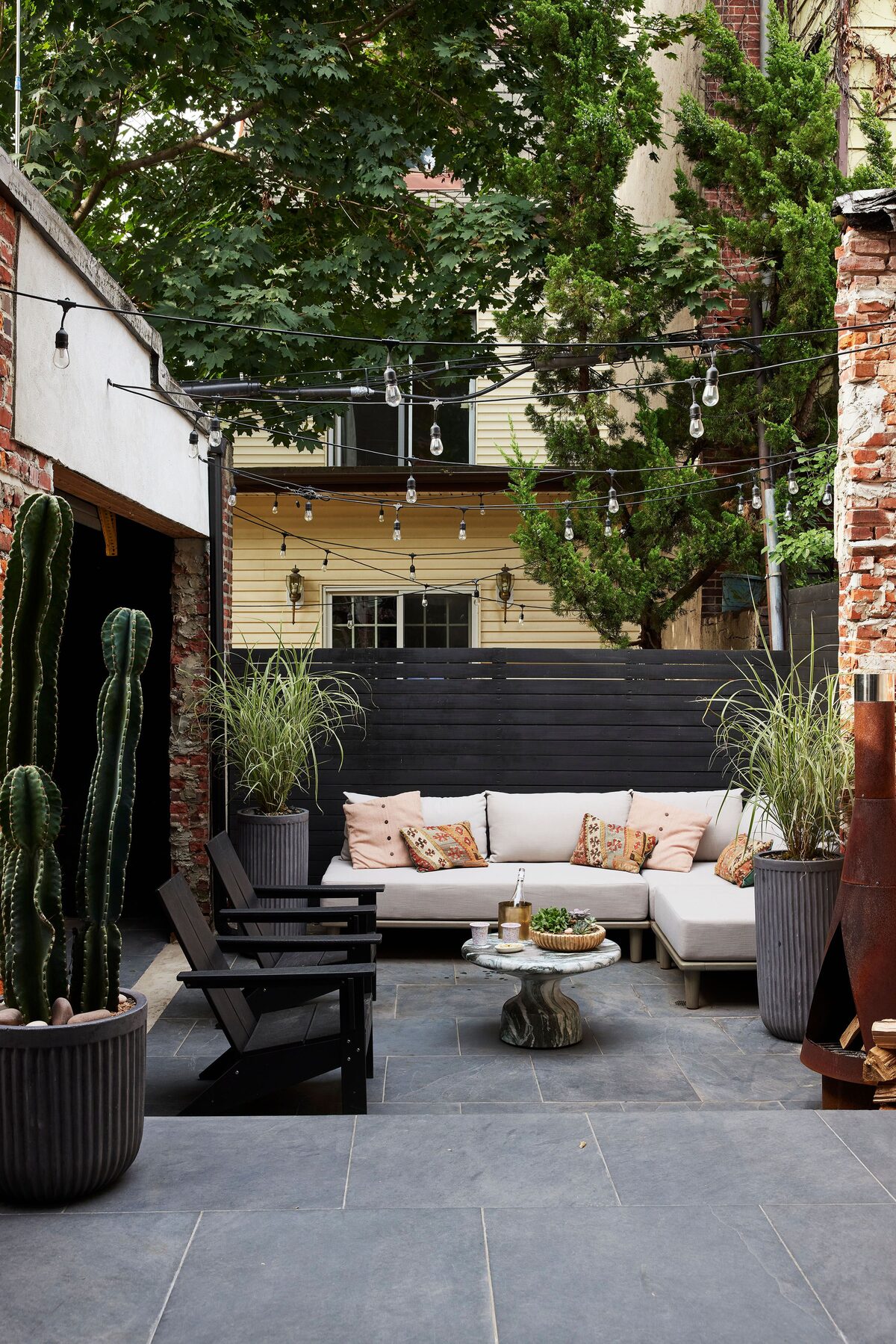
String lights remain popular for good reason—they provide ambient illumination while defining space boundaries. Hang them in swooping curves rather than straight lines for softer, more organic feels. Solar-powered options eliminate electrical concerns, though plug-in versions offer brighter, more reliable light. Dimmable string lights allow adjustment from bright task lighting during dinner to subtle mood lighting later.
Table lamps designed for outdoor use bring living room comfort to patios. Battery-operated or solar versions provide flexibility without cords. Place them on side tables or shelving to create warm pools of light at seating height. Lanterns scattered at varying heights add romantic flicker, whether using real candles or LED alternatives. Wall sconces save surface space while providing functional task lighting near seating areas.
Textile Strategy: Rugs, Pillows, and Cushions
Textiles soften hard patio surfaces while defining zones and adding color. Outdoor rugs anchor furniture groupings, making scattered pieces feel intentionally arranged. Pillows and cushions introduce pattern and texture, transforming basic seating into inviting lounging spots. Designers use textiles strategically to unify color schemes and establish style direction.
Choose outdoor rugs slightly smaller than your total patio size to maintain visible floor borders—this creates the illusion of more space rather than wall-to-wall coverage. Striped patterns running lengthwise elongate narrow patios, while geometric designs add visual interest without overwhelming small areas. Stick to two or three colors maximum to avoid busy, cluttered appearances.
Layer pillows in varying sizes for designer-worthy seating. Start with larger back pillows (20-22 inches), add medium lumbar pillows for support, then finish with smaller accent pillows if space allows. Odd numbers look more natural than even groupings. Mix solid colors with one or two patterns, ensuring all share a common color thread for cohesion. Weather-resistant fabrics maintain appearance through seasons while resisting mildew and fading.
Greenery Placement for Maximum Impact
Plants bring life to patios while softening hard architectural lines. In small spaces, strategic placement matters more than quantity. Designers group plants in odd numbers at varying heights, creating layered arrangements that draw eyes around spaces. This technique adds depth while preventing the flat, lined-up appearance common in amateur designs.
Corner placements maximize impact while preserving central circulation space. Tall planters with architectural plants like bamboo or ornamental grasses add height without width, emphasizing vertical lines. Group three containers of different heights in corners, using trailing plants in the tallest container to soften edges and add movement.
Hanging plants utilize overhead space beautifully. Suspend them at varying heights to create visual interest—avoid lining them up at identical levels. Choose plants with different growth habits: upright for structure, trailing for softness, and bushy for fullness. This variety creates professional-looking arrangements that feel intentionally curated rather than randomly collected.
The Focal Point Technique
Every successful design includes a focal point that immediately draws attention. In small patios, this element anchors the space while preventing eyes from fixating on size limitations. Designers choose focal points carefully, ensuring they enhance rather than overwhelm compact dimensions.
Accent walls create instant focal points through color or texture. Paint one wall in a bold hue that complements your overall scheme, or install decorative outdoor panels for added dimension. Vertical gardens serve double duty as focal points and space-saving greenery solutions. Large-scale art designed for outdoor use makes dramatic statements—choose pieces that reflect your personal style while coordinating with your color palette.
Water features add soothing sound while creating visual interest. Compact fountain designs fit small spaces beautifully, providing the calming effects of moving water without requiring significant floor space. Wall-mounted fountains maximize this benefit while preserving every inch of usable patio area. The gentle sound masks urban noise, making small patios feel like private retreats.
Color Psychology for Small Spaces
Color choices dramatically affect how small spaces feel. Designers use color psychology to create desired moods while manipulating perceived dimensions. Light, cool colors recede visually, making spaces feel larger and more open. Warm, dark colors advance, creating cozy intimacy but potentially emphasizing small size if overused.
Monochromatic schemes work beautifully in compact patios, using varying shades of a single color family to create cohesion without visual fragmentation. This approach feels sophisticated and intentional while making spaces appear more expansive. Add interest through texture and pattern variation rather than competing colors.
If you prefer more color variety, use the 60-30-10 rule: sixty percent dominant color (usually neutrals), thirty percent secondary color, and ten percent accent color. This formula creates balanced, professional-looking schemes that avoid overwhelming small spaces. Reserve the boldest colors for easily changed elements like pillows and accessories, allowing flexibility as tastes evolve.
Small Patio Essentials
3-Piece Bistro Set
Compact folding bistro set perfect for small patios. Weather-resistant steel with powder coating.
$120-160
Vertical Wall Planter
12-pocket hanging garden for herbs and flowers. Self-watering design with drainage.
$35-50
Outdoor Mirror 24"
Weatherproof round mirror with metal frame. Shatterproof acrylic for outdoor safety.
$45-65
LED String Lights 25ft
Dimmable Edison bulb string lights. Remote control with 8 lighting modes and timer.
$30-45
Outdoor Rug 5x7ft
Geometric pattern outdoor rug. UV-resistant polypropylene, easy to clean and fade-resistant.
$50-75
Outdoor Throw Pillows 4-Pack
18x18" weather-resistant pillows with inserts. Water-repellent fabric in coordinating patterns.
$40-60
Hanging Planters Set of 3
Ceramic hanging planters with macramé hangers. Drainage holes and varied heights.
$35-50
Folding Storage Bench
Multi-functional outdoor bench with hidden storage. Folds flat when not in use, holds 300lbs.
$80-110
Bringing It All Together
Successful small patio design requires viewing limitations as creative opportunities rather than restrictions. Each technique outlined above works independently, but combining multiple strategies creates the most dramatic transformations. Start with proper furniture scale, add vertical elements, layer lighting, then refine with textiles and accessories.
Remember that professional designers edit ruthlessly—every item must earn its place through function, beauty, or both. Resist the temptation to fill every surface and corner. Negative space allows eyes to rest and makes intentional elements stand out. This restraint paradoxically makes small spaces feel larger and more luxurious.
Your small patio can become your favorite room with thoughtful styling that maximizes every inch. These designer techniques prove that square footage matters less than smart planning and intentional choices. Start with one or two strategies, assess results, then layer additional techniques as confidence grows. The most successful spaces evolve gradually, reflecting personal style while incorporating professional principles.