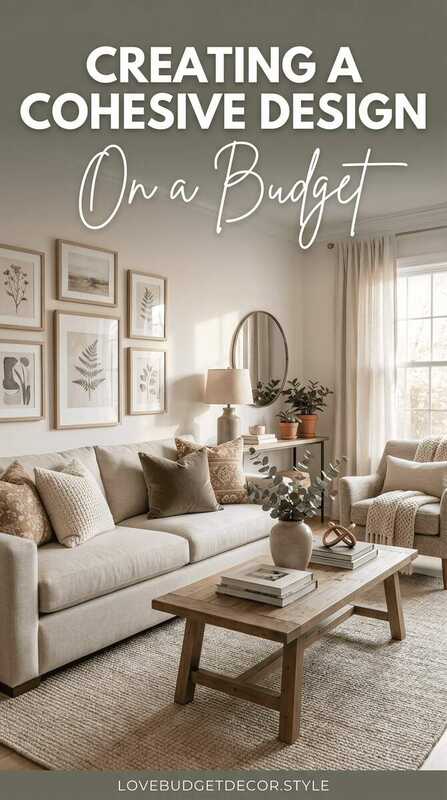
A cohesive home feels intentional, collected, and professionally designed, yet achieving this look on a budget requires strategic thinking rather than expensive purchases. The secret lies in understanding how design elements connect across spaces and using repetition, color relationships, and thoughtful editing to create visual harmony. When your home flows seamlessly from room to room, even budget pieces look expensive and purposeful.
Why Cohesive Design Matters
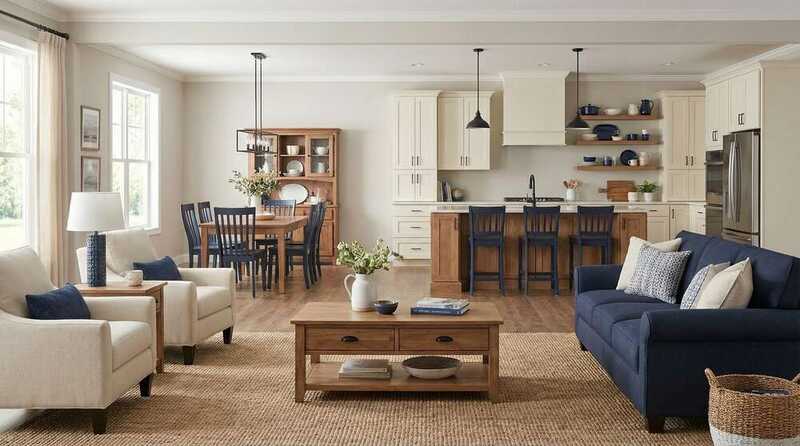
Cohesive design creates a sense of calm and sophistication that makes homes feel larger and more expensive than they actually are. When rooms share common design threads, your eye moves smoothly through spaces without jarring interruptions, creating a restful environment that feels complete rather than haphazard. This visual flow is particularly important in open-concept homes where multiple functional areas exist within a single sightline.
Beyond aesthetics, cohesive design makes decorating easier and more budget-friendly over time. Once you establish your home's design language, every purchasing decision becomes simpler because you know exactly what will work. This focused approach prevents costly mistakes and impulse purchases that do not fit your overall vision, ultimately saving money while creating a more polished result.
Choosing Your Whole-Home Color Palette
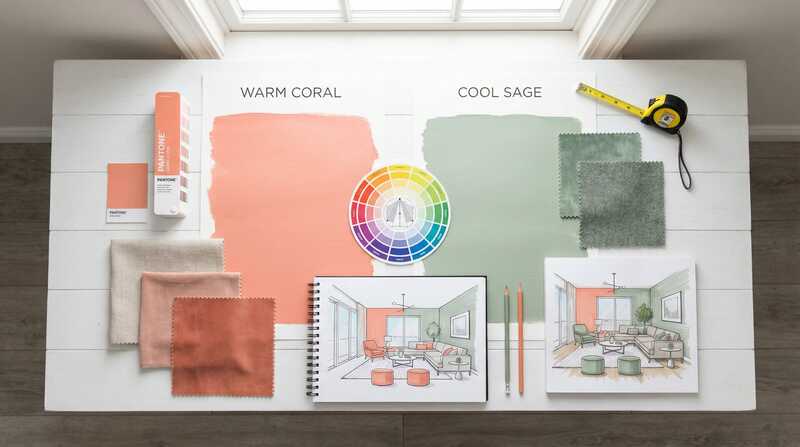
The foundation of cohesive design starts with selecting a color palette that works throughout your entire home. Begin by choosing three to five colors that you genuinely love and that work well together. This palette should include at least one neutral base color, one or two accent colors, and potentially a metallic or wood tone. These colors will appear in varying proportions throughout your home, creating visual connections between spaces.
When selecting your palette, consider the fixed elements in your home that cannot be easily changed, such as flooring, countertops, and tile. Your chosen colors should complement these permanent features rather than fighting against them. Pull paint chips and fabric samples to test how colors look in different rooms and lighting conditions before committing to purchases. This upfront planning prevents expensive mistakes and ensures every new addition works with your existing pieces.
The 60-30-10 Color Rule Explained
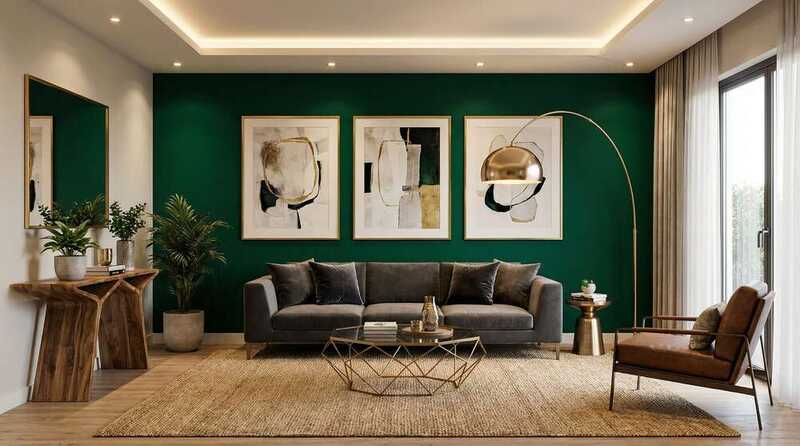
The 60-30-10 rule provides a foolproof formula for distributing colors within each room while maintaining visual balance. Sixty percent of the room should feature your dominant color, typically a neutral used on walls and large furniture pieces. Thirty percent should be your secondary color, appearing in upholstery, curtains, or area rugs. The final ten percent is your accent color, used in accessories, artwork, and decorative objects.
This proportion creates rooms that feel complete and intentional without overwhelming the senses. The beauty of the 60-30-10 rule is its flexibility—you can shift which colors play which roles in different rooms while maintaining overall cohesion. For example, your living room might use beige as the dominant color with navy as secondary and gold as accent, while your bedroom reverses this with navy dominant, beige secondary, and gold accent. The repeated colors create connection even though the proportions change.
Repeating Design Elements Throughout Your Home
Visual repetition creates cohesion more effectively than any other design technique. Identify key elements that can repeat across rooms, such as wood tones, metal finishes, or specific patterns. For instance, if you use brass hardware in your kitchen, incorporate brass picture frames, lamp bases, or cabinet pulls in adjacent spaces. These repeated elements act as visual threads that tie your home together.
Repetition does not mean everything must match exactly—in fact, too much matching creates a sterile, showroom feel. Instead, aim for elements that clearly relate to each other while allowing for variation. If your living room features a geometric pattern in throw pillows, echo that pattern in a different scale or color in your dining room artwork. This creates sophisticated connections that feel intentional rather than matchy-matchy.
Creating Flow Between Spaces
Smooth transitions between rooms prevent the jarring feeling of entering completely different homes as you move through your house. One effective technique involves using your wall color to create flow—either paint all rooms in the same neutral shade or use different shades from the same color family. This approach works particularly well in homes with open sightlines where multiple rooms are visible simultaneously.
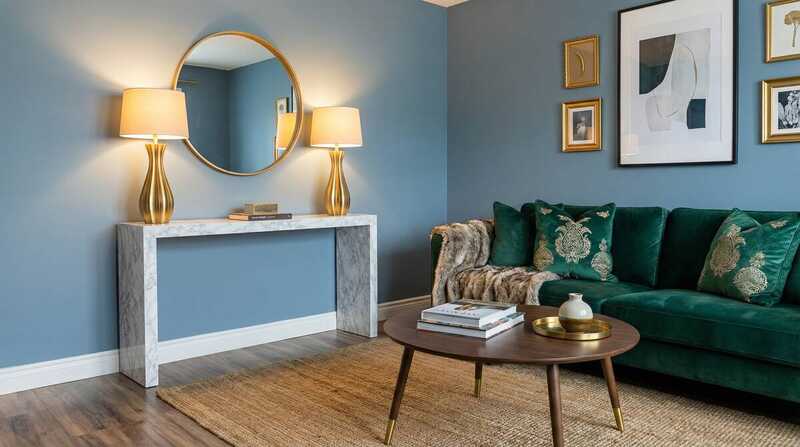
Another flow-creating strategy involves positioning furniture and accessories to guide the eye from one space to the next. Place a console table in your entryway that shares design characteristics with your living room coffee table, or hang artwork in your hallway that picks up colors from both adjacent rooms. These transitional pieces serve as visual bridges that make your home feel cohesive and well-planned.
Mixing Furniture Styles While Maintaining Cohesion
Cohesive design does not require buying matching furniture sets—in fact, mixed styles create more interesting and personalized spaces. The key is finding common ground between different pieces through shared characteristics like wood tone, scale, or color. A mid-century modern sofa can work beautifully with traditional side tables if they share a warm wood tone and similar proportions.
When mixing styles, establish one dominant style that comprises about seventy percent of your furnishings, then add accent pieces from complementary styles. This prevents your home from feeling confused or chaotic. For example, if your primary style is modern farmhouse, you might incorporate industrial lighting fixtures and vintage accessories as accent elements. The farmhouse foundation keeps everything grounded while the mixed elements add personality and visual interest.
Using Consistent Hardware and Fixtures
Small details like cabinet hardware, light switch plates, and plumbing fixtures significantly impact overall cohesion, yet they are often overlooked in budget decorating. Standardizing these elements throughout your home creates a polished, intentional look that elevates even basic spaces. Choose one metal finish—such as brushed nickel, oil-rubbed bronze, or matte black—and use it consistently in all visible hardware.
Replacing hardware represents one of the most cost-effective updates you can make to improve cohesion. Cabinet pulls and knobs cost just a few dollars each, and swapping them out requires only a screwdriver. Similarly, replacing mismatched light switch and outlet covers with coordinating versions costs minimal money but creates significant visual impact. These small changes add up to a more cohesive, expensive-looking result.
Creating Visual Connections with Artwork and Accessories
Artwork and accessories offer flexible, budget-friendly opportunities to reinforce your home's cohesive design. Choose frames in consistent finishes and hang artwork at the same height throughout your home to create visual rhythm. Even if the artwork itself varies in style and subject matter, consistent framing and placement create connection and intentionality.
When selecting accessories, shop your home first before buying new items. Gather all your decorative objects in one place and edit down to pieces that work with your chosen color palette and style. Redistribute the keepers throughout your home in groups of odd numbers, varying heights, and complementary colors. This costs nothing but creates immediate cohesion by ensuring accessories relate to each other and your overall design vision.
Budget Tips for Achieving Designer Cohesion
Creating cohesive design on a budget requires patience and strategic shopping. Rather than trying to decorate every room at once, focus on one space at a time while keeping your whole-home palette in mind. This allows you to invest in quality foundational pieces for each room while using budget accessories to tie everything together. As you complete each space, the overall cohesion of your home grows naturally.
Thrift stores and online marketplaces offer excellent opportunities to find cohesive pieces at budget prices. When shopping secondhand, look for items that fit your established criteria rather than buying things simply because they are cheap. A well-chosen thrifted piece that matches your wood tone and color palette will always serve you better than a new item that does not fit your vision. Be willing to paint, reupholster, or modify secondhand finds to make them work perfectly with your cohesive design plan.
Product Recommendations for Cohesive Design
Create a unified, designer look throughout your home with these carefully selected products. Each item helps establish visual connections and consistency across rooms—the foundation of cohesive design on a budget.
Cabinet Hardware Set - Brushed Nickel
25-pack matching pulls and knobs for whole-home consistency
$30-50
Standardizing hardware throughout your home is one of the most cost-effective cohesion upgrades. This set provides enough pieces to update multiple rooms in a consistent finish.
Matching Picture Frame Set
Gallery wall frames in consistent finish, multiple sizes
$25-45
Consistent framing creates visual rhythm throughout your home. These coordinating frames in various sizes let you create gallery walls that feel intentional rather than random.
Coordinating Throw Pillow Cover Set
Mix-and-match covers in complementary colors and patterns
$20-35 for 4-pack
Pre-coordinated pillow sets take the guesswork out of mixing patterns and colors. Use them across multiple rooms to create visual connections through repeated colors and complementary designs.
Woven Storage Basket Set
Matching baskets in multiple sizes for cohesive organization
$25-40 for 3-piece set
Matching storage baskets hide clutter while reinforcing your design aesthetic. Use the same style throughout your home for visual continuity that makes spaces feel more organized and intentional.
Screwless Light Switch Covers
Modern, seamless covers in consistent finish
$3-5 each
This often-overlooked detail makes a surprising impact on cohesion. Replacing mismatched switch plates with uniform, screwless versions creates a polished look that elevates your entire home.
Adjustable Curtain Rod Set
Matching rods in consistent finish for multiple windows
$15-25 per rod
Consistent curtain rod finish throughout your home creates subtle but important visual connections. Choose one finish and use it on every window for a cohesive, professionally designed look.
Final Thought
Creating a cohesive home on a budget is entirely achievable when you approach design strategically. By establishing a whole-home color palette, repeating key elements, and paying attention to details like hardware and accessories, you achieve a collected, designer look without expensive purchases. Remember that cohesion comes from thoughtful connections between elements rather than perfect matching—allowing you to incorporate diverse pieces while maintaining visual harmony that feels intentional, sophisticated, and uniquely yours.
Affiliate Disclosure: This post contains Amazon affiliate links. When you purchase through these links, we may earn a small commission at no additional cost to you.